Guides Older homes
Lead paint in pre-1978 homes: what to know before painting
Painting an older home is safe when the old paint is handled properly. Here is what lead-safe work involves and why it matters.
Updated September 2026
Quick answer
Homes built before 1978 may have lead in older paint layers, and roughly nine in ten homes built before 1940 do. Painting over intact paint is not the hazard; disturbing it by scraping, sanding or removing trim creates lead dust. Federal rules require paid work that disturbs paint in these homes to follow lead-safe practices by certified firms.
Why 1978 matters
Lead-based paint was banned for residential use in the United States in 1978, so homes built before then may still have it under newer coats. The older the house, the more likely: estimates put it in about nine in ten homes built before 1940.
Many homes in the older suburbs around Naperville, from Oak Park and Riverside to Hinsdale, Joliet and the railroad towns of DuPage County, were built long before 1978.
Intact paint versus disturbed paint
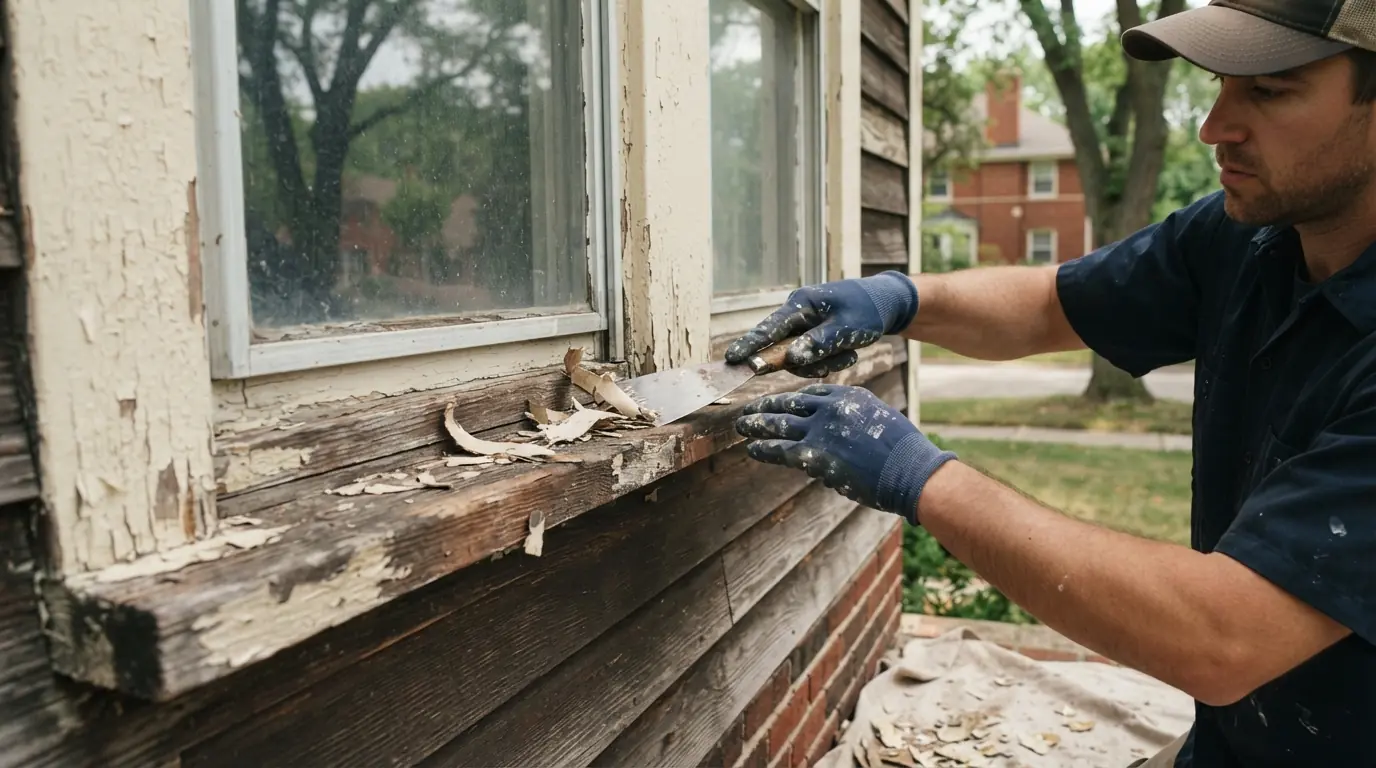
Lead paint that is intact and painted over is not releasing dust. The risk comes when it is disturbed: scraping peeling exteriors, sanding trim, cutting into plaster, or opening and closing old windows that rub painted surfaces.
That dust settles on floors and windowsills, where it can be swallowed or breathed in, and young children are the most at risk. That is why the way the work is done matters as much as the paint that goes on afterward.
What the federal rules require
Under the federal Renovation, Repair and Painting rule, paid work that disturbs painted surfaces in pre-1978 homes and child-occupied buildings must be done by certified firms using lead-safe practices, above small minimum areas.
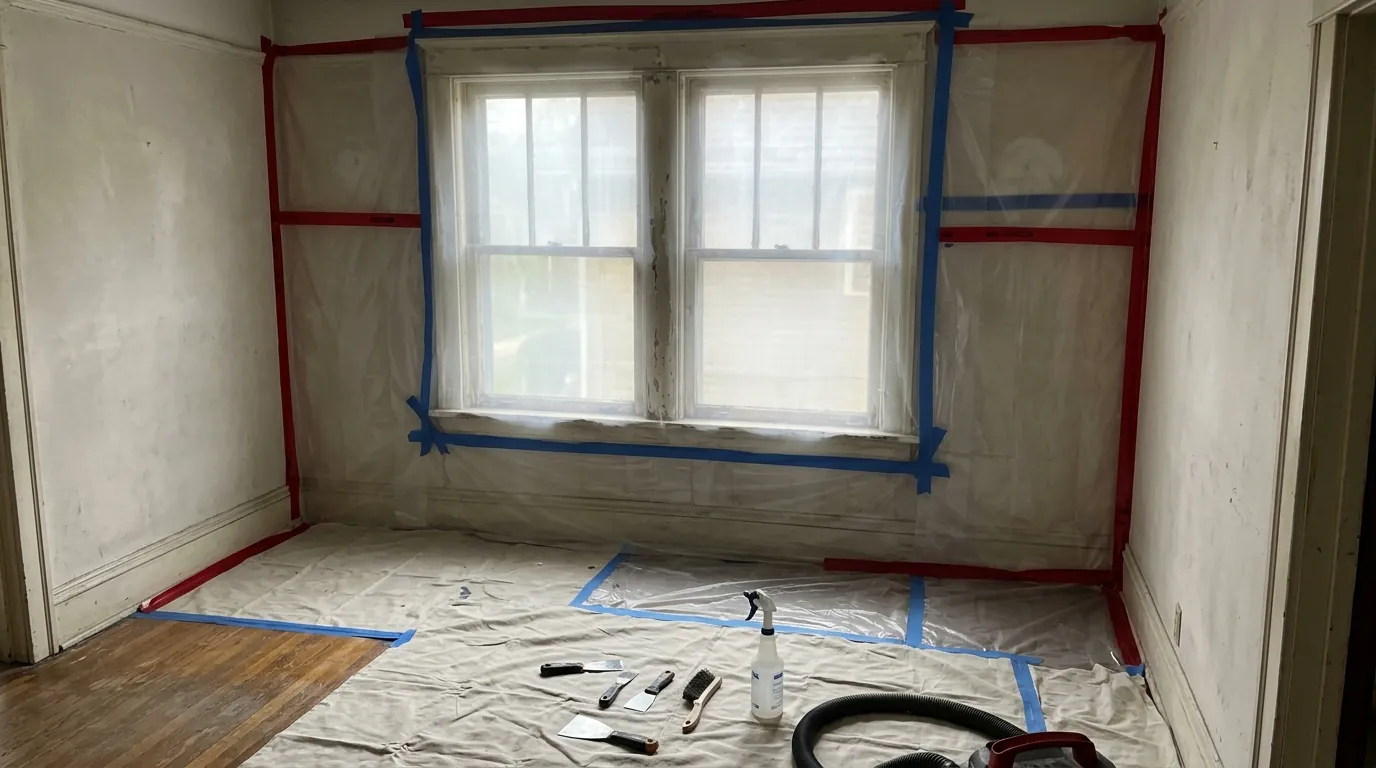
Those practices include containing the work area with plastic, avoiding open-flame burning and high-speed dry sanding of old paint, and careful cleanup with HEPA vacuums and wet wiping. It is reasonable to ask any contractor how they meet these requirements.
Want this handled for you?
Call (630) 389-8505 any hour and we will book a walkthrough.
Call (630) 389-8505What lead-safe painting looks like in practice
Inside, the room is cleared and sealed, floors are covered, and scraping and sanding are done with methods that keep dust down. Outside, plastic goes under the work area so chips are caught, windows and doors nearby are closed, and debris is bagged.
The job takes a little longer than painting a newer house, and that time is the point. See plaster repair and window sash painting for two jobs where this matters most.
Testing and what to expect
You can have paint tested by a certified inspector or risk assessor if you want to know for certain. If you do not test, a contractor doing renovation work should treat older paint in a pre-1978 home as if it contains lead.
You should also receive the federal Renovate Right pamphlet before work begins in a pre-1978 home; ask for it if you do not.
Questions to ask before you hire
Ask how the work area will be contained, how scraping and sanding will be done, how cleanup will be handled and checked, and who on the crew is trained in lead-safe practices.
Our guide to painting a historic district home covers the other things older houses need, from plaster to period colors.
FAQ
Questions homeowners ask
Not definitely, but it may; the older the house, the more likely.
Painting over intact paint is generally fine; the hazard comes from disturbing it.
The federal Renovation, Repair and Painting rule requiring lead-safe practices by certified firms in pre-1978 homes.
You can, through a certified inspector or risk assessor; otherwise contractors should assume it is present.
Young children and pregnant women.
A federal pamphlet homeowners should receive before renovation work in pre-1978 homes.
Keep reading
Related services and guides
Plaster Repair
Our plaster repair page: scope, pricing factors and timing in Naperville.
Learn moreWindow Sash & Frame Painting
Our window sash & frame painting page: scope, pricing factors and timing in Naperville.
Learn moreExterior House Painting
Our exterior house painting page: scope, pricing factors and timing in Naperville.
Learn moreWhat interior painting costs in Naperville
The published ranges for the Chicago area, the six things that move a quote, and how to tell whether two estimates are pricing the same job.
Learn moreSigns your exterior paint is failing
Paint rarely fails all at once. What each sign means, which ones are cosmetic, and which ones mean water is already getting in.
Learn moreWhen to paint a house exterior in Naperville
The exterior season here is set by the weather, not the calendar. What the paint needs, what our winters do, and when to book.
Learn moreTalk to a painter in Naperville
One number for both offices, answered 24 hours a day.
Call (630) 389-8505Calls answered 24 hours a day, 7 days a week.